Climate Change Poses Severe Threat to Tea Production and Livelihoods in Assam: Industry Insights
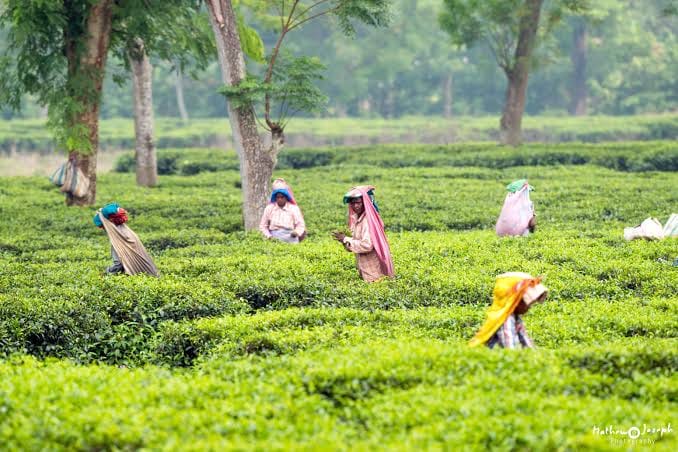
DIBRUGARH, NOV 10: Rising temperatures, erratic rainfall and declining humidity are severely affecting the natural growing conditions required for quality tea production. These environmental shifts are disrupting the growth of tea bushes, reducing fresh-leaf productivity, and increasing the vulnerability of plantations to pests and diseases.
In an exclusive interview for Northeast Pulse, Kaushik Kashyap spoke with Raj Gupta, an assistant manager at a local bought-leaf tea factory to discuss the mounting pressures facing the regional tea industry. While economic challenges remain prominent, industry insiders warn that climate disruptions are fundamentally threatening the livelihoods of workers and small growers alike.
According to Gupta, unseasonal weather patterns and unpredictable rainfall have broken traditional agricultural cycles. “Earlier, rain used to come on time,” Gupta explained. “Now, because of global warming, rains are not happening at the proper time, and we are not getting as much rain as the crop needs.”
Traditionally, post-monsoon periods—particularly around Durga Puja—see robust leaf yields that sustain factory operations. However, recent seasons have seen starkly contrasting conditions. “This year the situation is completely opposite,” Gupta noted, highlighting a severe crisis in acquiring green leaves, the essential raw material for tea manufacturing.

This agricultural shortfall has caused a sharp spike in raw material prices. Gupta pointed out that green leaf prices have nearly doubled, jumping from an October average of roughly Rs 18 per kilogram last year to Rs 30.1 per kilogram currently. This surge places immense strain on factory economics, especially as processed tea prices fail to increase proportionally after the festive season.
The ripple effects are felt most acutely by small, home-grown garden owners and daily wage labourers. Unlike large estates with advanced irrigation infrastructure, smallholders rely heavily on natural rainfall. “The most affected persons are the local small growers… who have ancestral small gardens,” Gupta said. Lacking capital for irrigation, these growers face steep crop losses, which subsequently reduces employment opportunities for tea pluckers and destabilises local economic security.
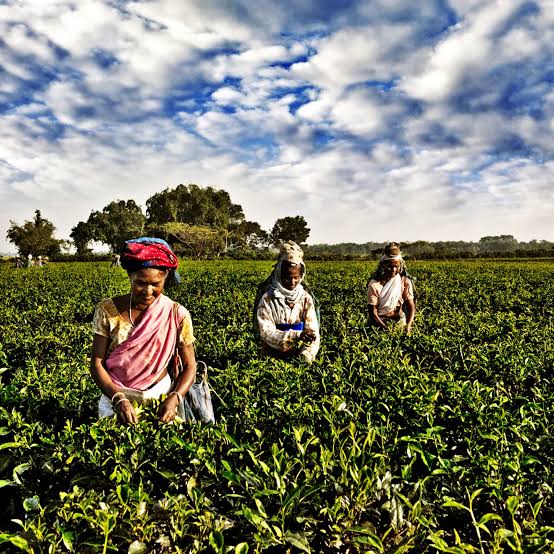
With approximately 90% of local gardens running behind previous production benchmarks by 20 to 30 percent due to intense heatwaves and erratic downpours, industry experts stress that climate resilience must become an urgent priority for safeguarding the future of the region’s heritage crop.