

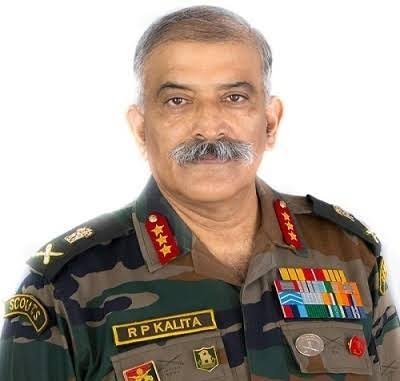
In a comprehensive and wide-ranging address delivered in Dibrugarh, Lt General (Rtd) Rana Pratap Kalita highlighted critical national security concerns, global geopolitical developments, and Assam’s preparedness to meet rising energy demands.
Kalita emphasized the immense strategic importance of the Siliguri Corridor, commonly referred to as the “Chicken’s Neck,” which connects mainland India to the Northeast.
This narrow stretch serves as a critical artery for road, rail, power, and digital connectivity.
He noted growing concerns over increased infrastructural activities by China in the broader region, stressing that Indian security agencies—including the Army, intelligence units, and paramilitary forces—are actively strengthening surveillance and preparedness.
While the likelihood of direct military confrontation remains low, Kalita cautioned against hybrid threats, including the possibility of external forces exploiting local vulnerabilities and extremist elements.
Kalita underlined the government’s dual approach like strengthening core infrastructure along the corridor and developing alternative routes and redundancy systems. He also stressed coordinated action between civil authorities and security agencies to ensure both routine stability and emergency readiness.
Turning to global affairs, Kalita highlighted the geopolitical sensitivity of the Persian Gulf, which accounts for nearly 20% of global oil exports. He welcomed the recent 15-day ceasefire agreement between conflicting parties, describing it as a positive step toward de-escalation. The talks, held in a neutral country, were reportedly constructive. India, he reiterated, supports peace and stability in the region, given its direct implications on global energy supply and economic balance.
However, he cautioned that the ceasefire remains temporary, and sustained dialogue will be essential for long-term resolution.
Addressing energy concerns, Kalita stated that Assam is well-prepared to meet peak summer electricity demand, which previously reached around 2,800 MW. The Assam Power Distribution Company Limited has secured sufficient power through competitive Power Purchase Agreements (PPAs).
The Assam Power Generation Corporation Limited contributes less than 20% of total demand, with the remainder sourced from the national grid. He also highlighted the increasing role of renewable energy, particularly rooftop solar installations, in supplementing supply.
On the Lower Subansiri Hydroelectric Project, Kalita clarified that Assam has the option to procure power by entering agreements with NHPC Limited. However, he pointed out that tariffs may appear higher due to the project’s long gestation period and final cost assessments depend on actual tariff data. He emphasized that procurement decisions are driven by price and reliability, enabled by India’s integrated national grid.
Kalita emphasized that the Chicken’s Neck corridor remains a top strategic priority with enhanced security and infrastructure focus. Hybrid threats pose a more immediate risk than direct military conflict. The Persian Gulf ceasefire is a positive but temporary development requiring sustained diplomacy. Assam is well-prepared for summer power demand, backed by PPAs and diversified sourcing. The Lower Subansiri project offers potential supply, subject to commercial viability.
Kalita’s address underscored a balanced approach—strengthening national security at critical chokepoints, monitoring global developments that impact economic stability, and ensuring Assam’s internal resilience through robust infrastructure and energy planning.






Leave a Reply