


By Divya Yadav
The introduction of tea in Assam dates back to the early nineteenth century. Its production and cultivation by the local Singpho community preceded the commodity’s official introduction to the British colony. Moreover, it has become a significant regional product in the area, with vast plantations dotting the Brahmaputra Valley. It is currently one of the major hubs of tea production, while Dibrugarh district is also famous for its extensive tea gardens.
A museum would be a perfect way to tell the fascinating history of Assam’s tea production and its role in local society. On the one hand, such a museum would document the entire history of the commodity’s cultivation in the region. On the other hand, it will also give insight into the lives and ways of the local people. A museum would exhibit materials related to the history of the local tea industry.
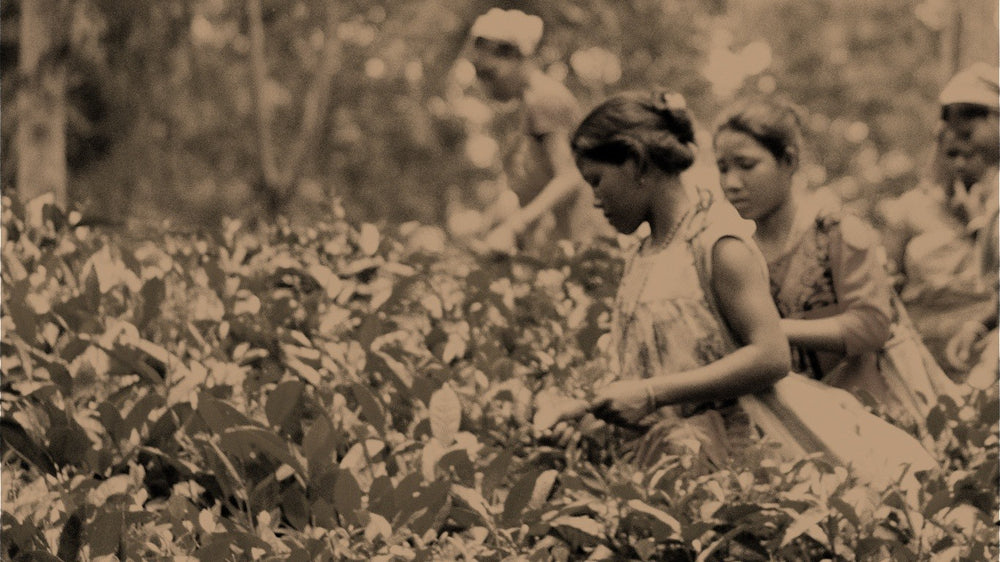
It would display photographs, documents, and equipment, as well as samples of tea leaves and other products of the tea plantations. Moreover, such a museum would display the various stages of production, attracting local people as well as tourists from around the world.
The tea factory and plantation, however, are only part of the story. The lives of countless individuals who worked in the tea gardens were inextricably linked with the industry. Documenting the lives of ordinary people and their contribution to the local economy will highlight their outstanding role and importance. A museum would also exhibit cultural items and demonstrate the unique heritage of the region and its people.
A Research Project entitled Tea Museum in Assam was conducted to develop a concept of a museum that would represent the deep history and legacy of the local tea gardens. The report, published in 2021, comments on the idea of a museum in Dibrugarh, which would be different from the existing ones in the region. It would also propose to develop further concepts of interactive tea museums, including such items as plantations, factories, galleries, and exhibition centers for the local people and the visitors.
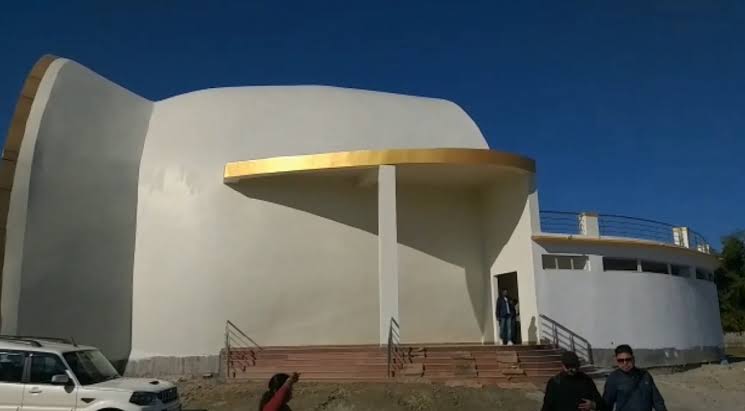
The museum’s concept will also promote the region’s tea-related tourism and help raise awareness about the rich cultural heritage of the local tea gardens. Tea-related tourism is rapidly growing, offering tourists an opportunity to learn about the local industry while also enjoying the regional hospitality and nature. Therefore, a museum would also attract students and scholars interested in studying the history and culture of the local tea industry.
To summarise, building a Tea Garden Museum would preserve and promote the local heritage of the Dibrugarh district. This project is of great importance because it aims to document not only the artifacts of the tea industry but also the unique history and culture of the local people and their way of life. A museum will play a vital role in passing on the history and legacy of the local tea gardens to future generations.







Leave a Reply