


GUWAHATI, Oct 9: Four Nagaland University faculty members have featured in Stanford University researchers’ latest World’s Top 2% Scientists list, with three also making the Career-Long Top 2% category.
The researchers are Prof. Prabhakar Sharma of Agricultural Engineering and Technology, Prof. Ambrish Singh of Chemistry, Prof. Joginder Singh of Botany and Prof. Pranav Kumar Prabhakar of Biotechnology.
Vice-Chancellor Prof. Jagadish K. Patnaik hailed the recognition as a matter of pride, saying it reflected the faculty’s research excellence and the university’s growing global standing. He congratulated the researchers and urged scholars to pursue work with a wider societal impact.

Prof. Ambrish Singh, Prof. Joginder Singh and Prof. Pranav Kumar Prabhakar have also been recognised in the career-long category for their sustained research impact.
Prof. Sharma works on environmental engineering, groundwater management, microplastic pollution and contaminant remediation. He has published more than 119 research papers, holds five patents and has an h-index of 47, with over 8,200 citations.
Prof. Ambrish Singh, a Fellow of the Royal Society of Chemistry, UK, specialises in electrochemistry, materials chemistry, corrosion science and polymers. He has an h-index of over 55, more than 10,000 citations and contributions to over 56 intellectual property rights, including patents.
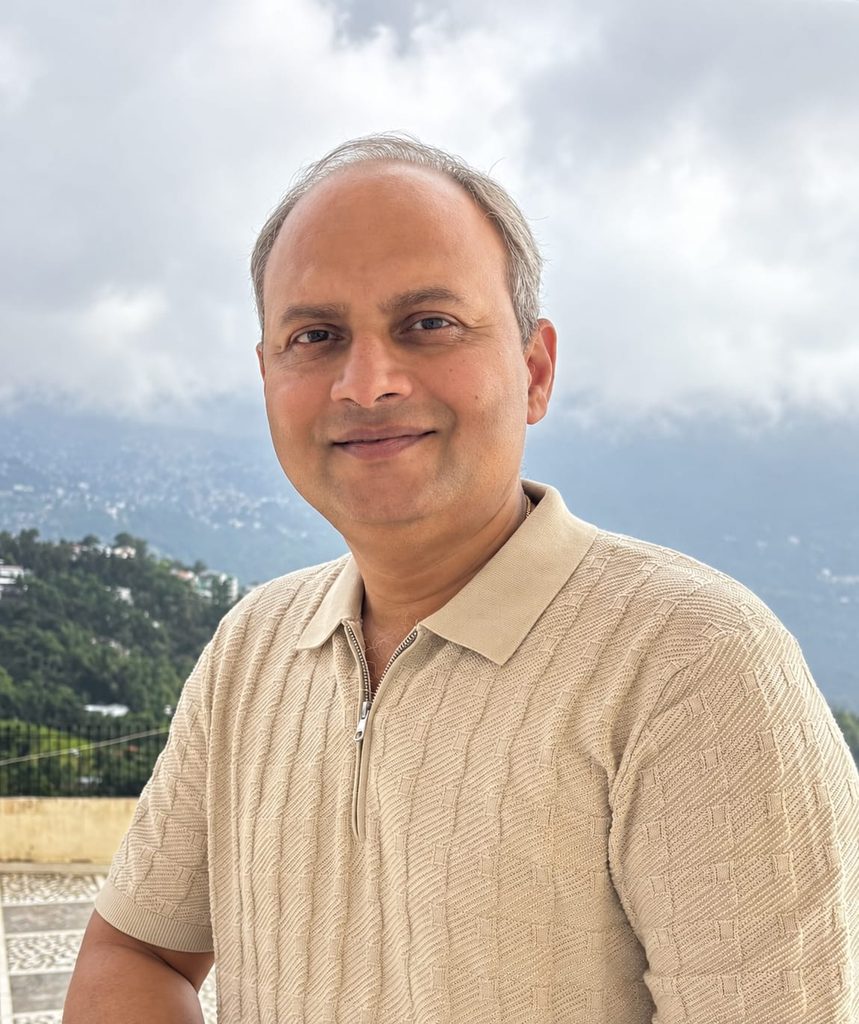
Prof. Joginder Singh researches microbiology, plant sciences and environmental science. He has authored more than 120 research and review papers, edited 15 books and contributed to around 60 book chapters.
Prof. Pranav Kumar Prabhakar, head of the Department of Biotechnology, works on metabolic disorders, molecular mechanisms of diabetes and oral insulin delivery. He has featured in the World’s Top 2% Scientists lists in 2021, 2022, 2023 and 2024. He said the recognition would strengthen his resolve to pursue research aimed at improving human health.

The Stanford-based database draws on Scopus data provided by Elsevier through ICSR Lab. It uses a composite citation indicator and other bibliometric measures to assess research impact across 22 scientific fields and 174 sub-fields. The career-long category reflects research influence over a scientist’s professional lifetime.










Leave a Reply