

GUWAHATI, Oct 8: The average size of monitored wildlife populations declined 73% globally between 1970 and 2022, with freshwater species recording the steepest fall of 85%, according to WWF’s Living Planet Report (LPR) 2026.
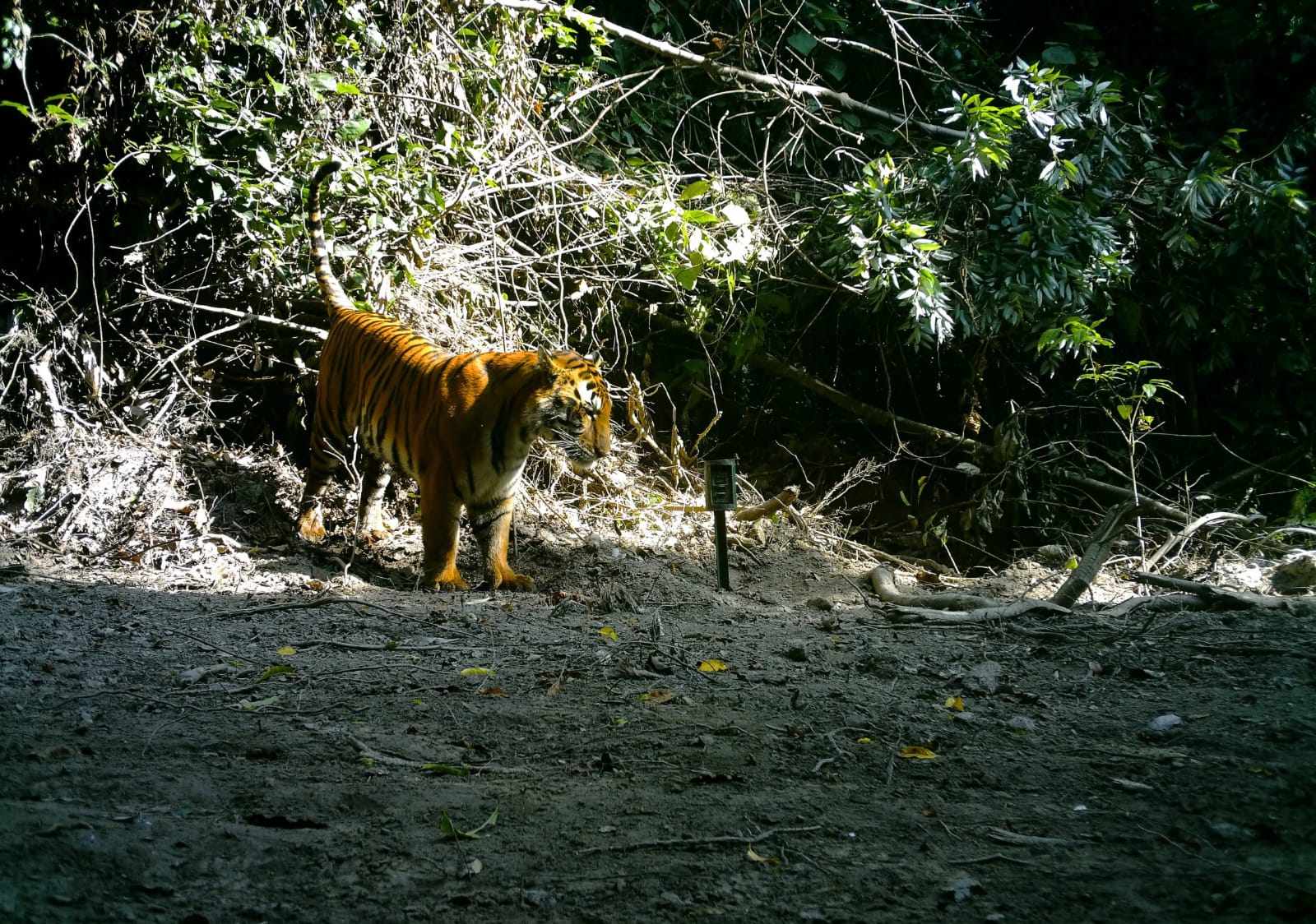
The report, however, notes recoveries in several species, including tigers, green turtles, bluefin tuna, and southern African elephants, showing that sustained conservation measures can reverse wildlife declines.
The Living Planet Index (LPI), produced by the Zoological Society of London (ZSL), tracks population trends for 5,790 vertebrate species across 35,803 populations. Terrestrial populations declined 69% and marine populations 59% during the period.
Habitat loss and degradation remain the most frequently reported threats, followed by overexploitation, climate change, pollution, invasive species and disease. These pressures are linked to systemic failures in food, energy and finance systems.Despite the overall decline, half of the populations in the LPI are stable or increasing.
Global wild tiger numbers rose from 3,200 in 2010 to around 5,700 in 2025. India’s latest tiger count stands at 3,682, according to the 2022 All India Tiger Estimation.
Other species showing an upward trend in India include the greater one-horned rhino, with a population of 3,300+, the common leopard at 13,874, the Asiatic lion, which increased from 674 in 2020 to 891 in 2025, and the snow leopard at 718.India has also undertaken its first range-wide river dolphin population assessment.
Conducted during 2021–23 across 8,507 kilometres of 28 rivers, the assessment estimated the Ganges River Dolphin population at 6,324.The report says conservation efforts alone cannot reverse the biodiversity crisis. Food production is the leading driver of habitat loss, the energy system fuels climate change, and the finance system supports activities harmful to nature.
Research by the University of Exeter cited in the report says positive tipping points can occur when systems cross a threshold into a healthier state and the change becomes self-reinforcing.In the energy sector, the report says a positive tipping point has already been passed. The shift from fossil fuels to renewable energy is accelerating, while transport is rapidly decarbonising, particularly through the growth of electric two- and three-wheelers in India, East Africa, Southeast Asia and China.
India achieved its updated NDC target of 50% non-fossil fuel-based installed electric capacity by 2030 five years ahead of schedule. Its NDC for 2031–2035 raises the target to 60% by 2035. As of 31 August 2026, non-fossil sources accounted for 54.88% of India’s installed electric capacity.
The report also highlights regenerative agriculture as a pathway towards more nature-positive food production. WWF-India is supporting over 25,000 farmers to adopt practices including organic manure, bio-based inputs, intercropping, crop rotation and tree planting.
Science-based assessments by CGIAR institutes for the 2021–2025 cropping period found a 34% increase in soil organic carbon, 57% lower GHG emissions compared with conventional farms and approximately 93,781 metric tonnes of CO₂-equivalent carbon sequestered. Farmers also recorded an average 15% increase in net income.The report says the finance sector remains in the early stages of change and needs to address harmful financing, recognise nature and climate as material risks and help close an annual US$1.3 trillion biodiversity financing gap.
Ravi Singh, Secretary General & CEO, WWF-India, said, “The Living Planet Report 2026 is both a stark reminder of the scale of the biodiversity crisis and a message of hope. While the Living Planet Index continues to highlight significant declines in monitored wildlife populations, the report also shows that these declines are not inevitable. Species recoveries, including those of tigers in India and globally, demonstrate what sustained conservation action, collaboration and long-term commitment can achieve.”
He further added, “But isolated successes are not enough. The findings of the Living Planet Report 2026 underscore the need to transform the systems and practices that continue to drive nature loss, and to scale up solutions that enable both people and nature to thrive.”












Leave a Reply